
Unlock Your Potential with Our Tutorials
Discover a wealth of knowledge tailored to help you excel. Our curated tutorials cover everything from basic concepts to advanced techniques in Control Systems. Whether you’re a beginner or an expert, there’s something for everyone. Start learning today and take your skills to the next level
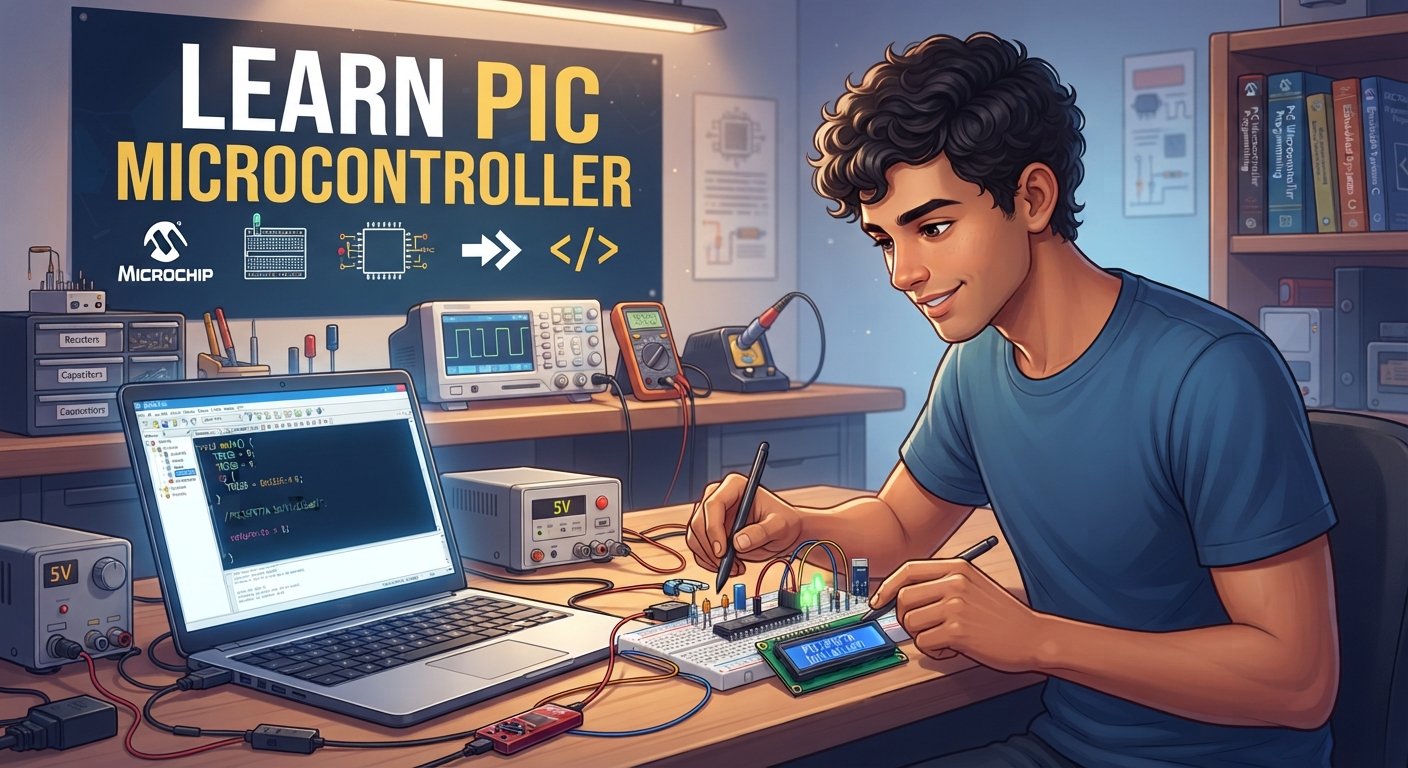
The PIC16F887 is an industry-standard, 40-pin, 8-bit CMOS flash microcontroller from Microchip Technology that serves as an ideal platform for teaching foundational embedded systems design, hardware-software integration, and peripheral management. Built on a Reduced Instruction Set Computer (RISC) architecture, it features just 35 simple instructions, making it exceptionally efficient for understanding low-level hardware control, register configuration, and instruction execution cycles.

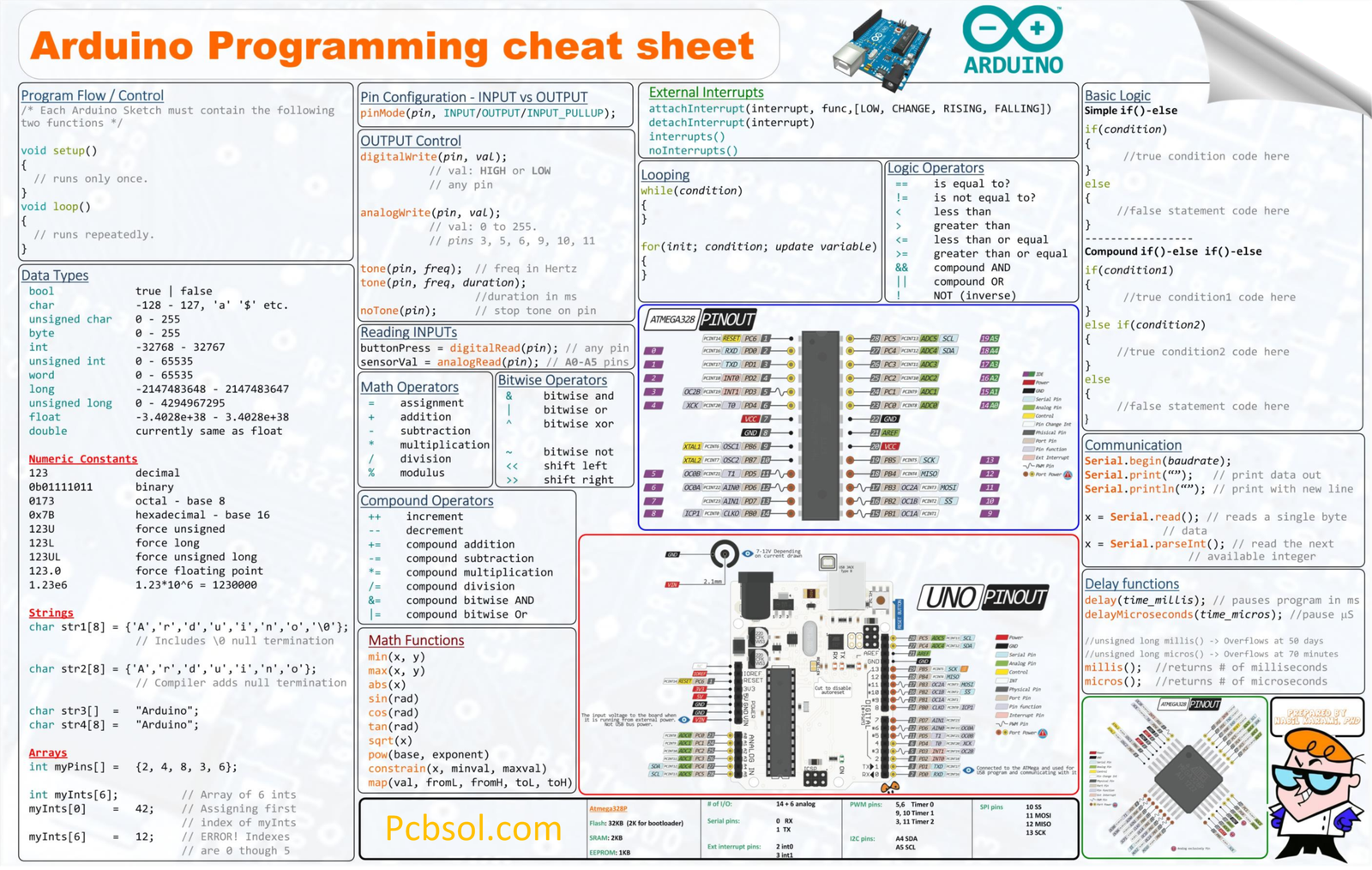
Arduino is an open-source electronics platform designed to simplify physical computing, prototyping, and embedded systems development. By integrating accessible hardware microcontroller boards with an intuitive Integrated Development Environment (IDE), Arduino bridges the gap between software programming and physical electronic hardware, making it an essential tool for engineering rapid prototypes and interactive systems.
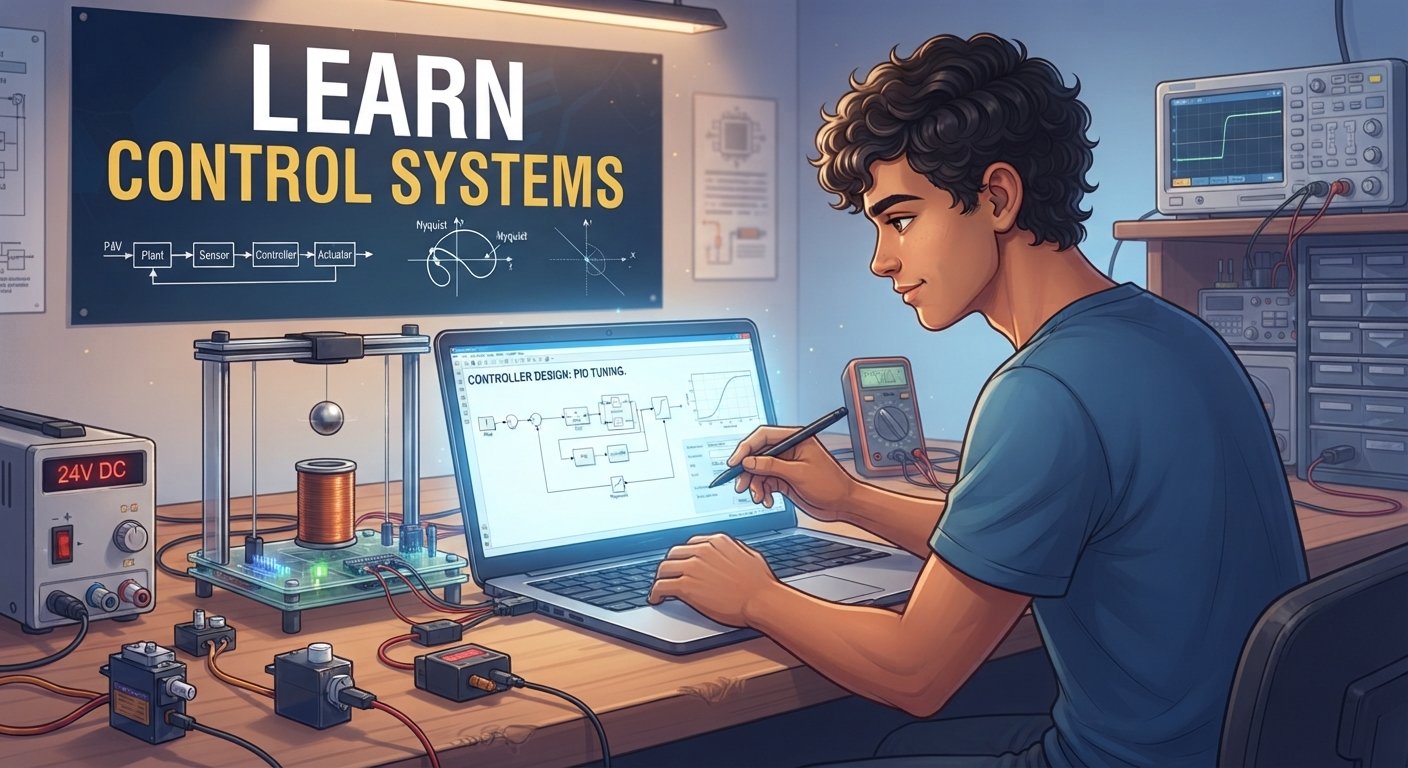
Control systems form the mathematical and practical backbone of modern engineering, bridging dynamic physical processes with electronic intelligence to regulate system behavior, ensure stability, and optimize performance. Defined as an interconnection of components that commands, directs, or regulates the behavior of other systems, control theory governs everything from simple home thermostats to complex spacecraft attitude determination and robotics.

Renewable energy systems represent the cornerstone of the global transition toward sustainable, decarbonized power generation, with photovoltaic (PV) technology serving as one of the fastest-growing and most accessible pillars of clean energy. By directly converting solar irradiance into electrical energy via semiconductor devices, PV systems eliminate mechanical moving parts, reduce maintenance overhead, and enable scalable power deployment ranging from small rooftop installations to utility-scale solar farms.
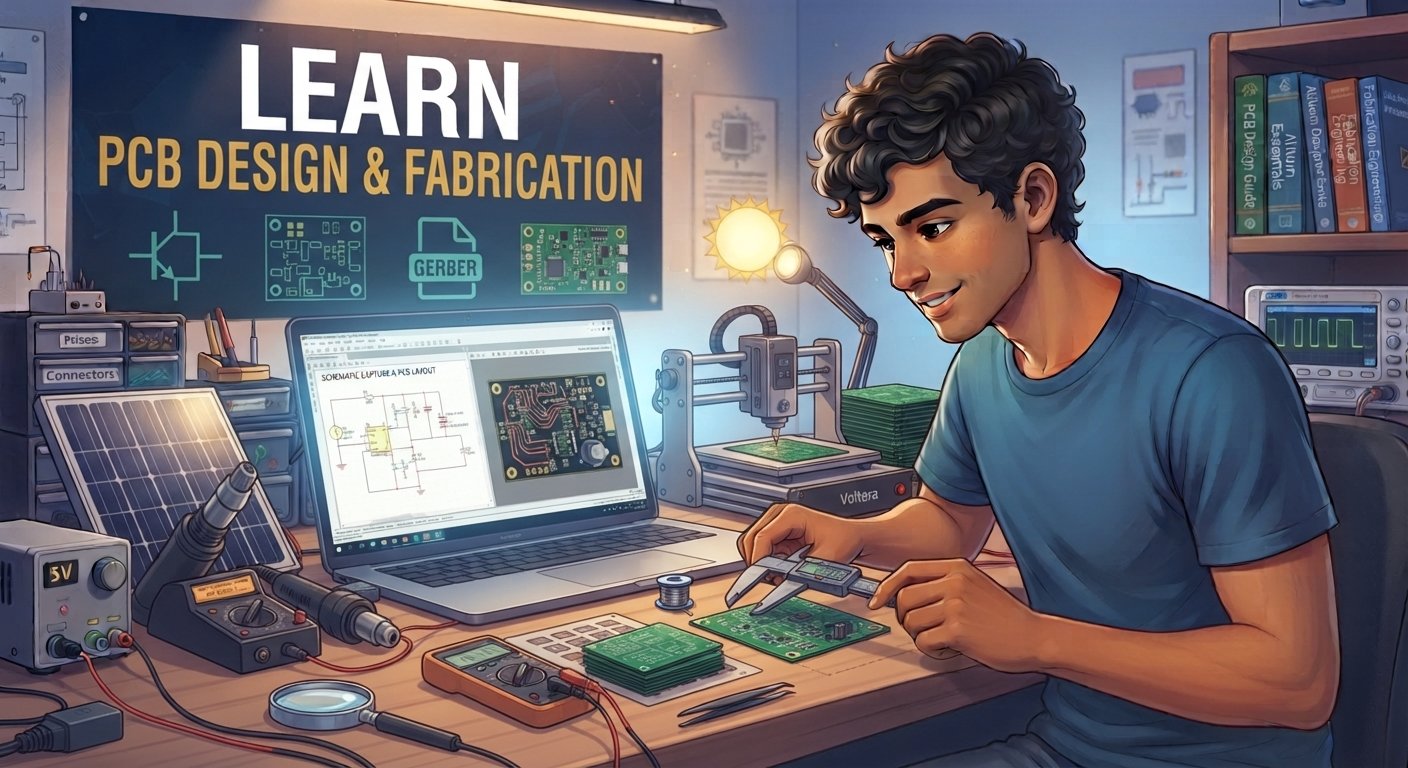
Printed Circuit Board (PCB) design and fabrication represent the physical bridge between abstract electronic schematics and reliable, high-performance hardware execution. As the critical backbone of modern electronics, PCB design requires a meticulous balance of electrical engineering principles, signal integrity management, thermal considerations, and manufacturing constraints to transform component layouts into functional physical hardware.